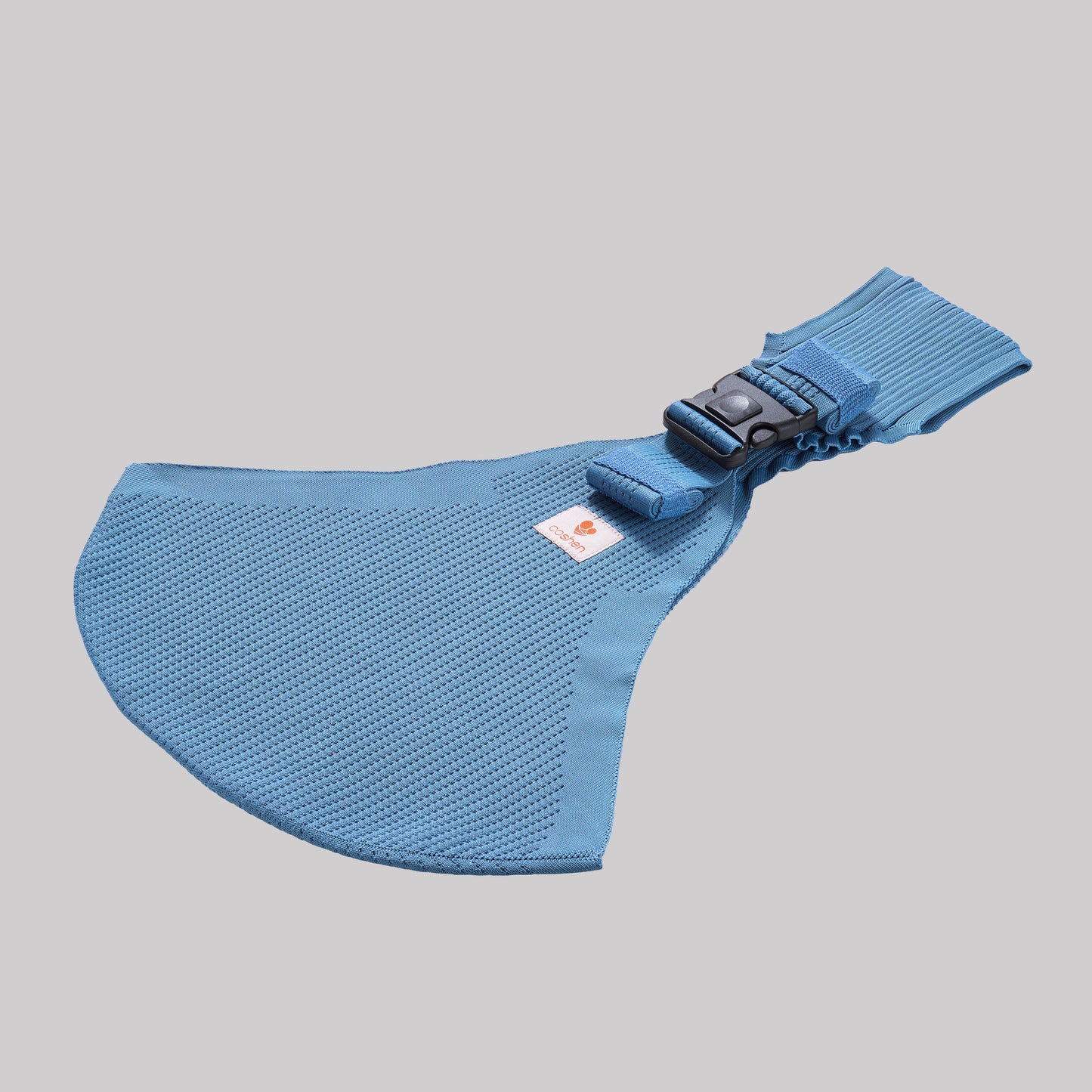
What is a Toddler Carrier?
A toddler carrier is a supportive product designed for children weighing between 9 kg and 20 kg, manufactured using seamless 3D knit technology and positioned over the hips. Unlike traditional baby carriers, it offers practical usability tailored to the frequent need for toddlers to get in and out.
Products under the Coshen brand are developed with anatomical sensitivity in mind for both children and parents. In this regard, the brand uses reinforced support structures that maintain the M position which supports children’s hip development while reducing the strain on parents’ shoulders and lower backs.
Manufactured in compliance with international safety standards, these models prioritize comfort with their breathable organic cotton fabric. Designed for families seeking practicality in daily routines, travel, or short walks, the collection stands out as a reliable and aesthetically pleasing solution among the best toddler carrier options thanks to its ergonomic design.
The Benefits of Using a Toddler Hip Carrier
Toddler hip carrier models offer freedom of movement for both daily routines and outdoor activities. In addition, the Icon Series combines durability and breathability by featuring carrying systems made with seamless 3D knit technology.
The products that support children’s natural hip development distribute weight between the hips and shoulders through strategic support zones, ensuring a comfortable experience even during extended use.
The products’ easily adjustable strap structures and secure buckle systems allow parents of different body types to customize the fit. Furthermore, by preventing the child’s legs from sagging downward during use, the toddler hip carrier helps prevent numbness and supports the maintenance of the spine’s natural C curve.
Quick On and Off Convenience for Active Parents
For parents with an active lifestyle, time and convenience are everything. A curious toddler who’s just started walking might want to be in your arms one moment and then want to get down on the floor to explore on their own the next. Toddler hip carrier models can be put on and taken off in seconds without needing any extra accessories. This feature makes them a parent’s greatest ally in every situation from grocery runs to short walks while allowing you to respond instantly to your child’s ever changing needs.
The quick use advantage offered by these carriers is not limited to outdoor activities. Thanks to the product, you can safely carry your child during daily routines at home, such as while preparing meals or when the doorbell rings.
Toddler Carrier vs Baby Carrier
Baby carriers are designed to support physical development starting from the newborn stage. Toddler carriers, on the other hand, are designed to distribute the child’s increasing weight evenly and adapt to their mobility. Key differences between the two products include the following:
- Baby carrier models feature narrower panels that can be adjusted to meet the neck support needs of newborns. Toddler carriers, on the other hand, offer a much wider seat panel to support longer legs and provide a knee to knee seating position.
- Baby carriers typically start at 3.5 kg. Toddler models are equipped with reinforced stitching and thicker waist belts to support weights ranging from 9 kg up to 20 kg.
- As the child’s weight increases, toddler carriers utilize special accordion shoulder technology or extra padded shoulder straps to shift the weight from the shoulders to the hips.
- In toddler hip carrier models designed for children, the structure is reinforced with a more durable fabric texture to support a heavier and larger body.
Baby carriers are more focused on skin to skin contact and sleep. Models designed for parents seeking the best toddler carrier are equipped with practical click and go mechanisms for active walks and trips, where the child will frequently want to get in and out.
When Should You Switch to a Toddler Carrier?
When you notice that your toddler no longer fits in their current carrier, or when your daily routine involves frequent “in and out” movements, it is time to switch to a different carrier model. Switching carriers is less about a specific age milestone and more about changes in your child’s comfort and physical development.
If the seat of your current carrier no longer fully supports your child’s thighs (the support has dropped below the knees) or the back panel has become too short for your child’s back, this is a clear sign it’s time for an upgrade. Additionally, if carrying your child in the front is tiring you out much more quickly than before, or if you are feeling pain in your shoulders earlier than usual, this indicates that it is time for an ergonomic upgrade.
What Features Should a Toddler Carrier Have?
When choosing a toddler hip carrier for babies, safety and durability are top priorities. High weight capacity, tested and approved fabrics and reinforced stitching ensure the safe transport of an active child. Furthermore, the quality of the padding in the shoulder straps and the width of the waist belt transfer the weight from the shoulders to the hips, preventing back pain during prolonged use. The secure locking system also provides an extra layer of protection by preventing unintentional opening.
The user friendly adjustable features allow parents of different body types to comfortably use the same product. Adjustable shoulder and waist straps ensure the carrier fits snugly against the body, controlling the center of gravity.
Why Choose a Toddler Hip Carrier?
Toddler hip carrier models are not only a physical support product, but also a tool that strengthens the bond of trust between child and parent. Unlike traditional baby carriers, these products allow the child to be close to the parent without restricting visual interaction with the environment. The high quality and breathable fabric technologies used in their production also maintain thermal comfort for both the child and the user during long-term use.
The secure seating platform offered by the products also serves as a comfortable support for the baby during breastfeeding. This feature reduces the load on the parent's arms and wrists, making the feeding process more controlled and comfortable outdoors.
Furthermore, toddler hip carrier models create a protective barrier against risks such as scoliosis or herniated discs that may occur during long periods of carrying a child. Because it transfers the weight to the body's strongest muscle groups, it prevents postural problems and allows the parent to maintain an upright posture.
Key Features of the Coshen Toddler Carrier
Coshen toddler hip carrier models are made from 100% organic cotton fabric, offering a breathable and skin friendly structure to meet the needs of active children. Suitable for children from approximately 9 months to 4 years the carriers are designed to accommodate the frequent picking up and putting down cycle of toddlers.
Their ultra lightweight design (only 200 grams) also allows parents to easily carry them in their bags. Available in elegant designs, the toddler carrier is a functional aid that gives parents freedom of movement both in daily routines and on uneven routes where using a stroller is difficult.
Toddler Carrier Safety Standards and Certifications
The brand's carriers have successfully passed ASTM F2236 16a tests, which set the strict safety criteria of the United States. These standards cover structural integrity, seam strength, and dynamic and static load tests to ensure the safe transport of the child. Furthermore, chemical safety is a top priority.
Flammability tests (EN71-2) and resistance to migration of specific elements (EN71-3) are conducted to certify that the products do not contain heavy metals or toxic substances that could harm children's health.
The yarns and fabrics used in Coshen products have the globally recognized OEKO TEX certification. The certification confirms that each fiber of the fabric is free from harmful substances and poses no risk for direct contact with a baby's sensitive skin. Furthermore, the products have successfully passed tests for azo dyes, carcinogens, and allergens.
Can You Use a Toddler Carrier with Hip Dysplasia?
For toddlers at risk of hip dysplasia, the use of carriers that support the M position where the knees are higher than the hips is of vital importance. At this point, the preferred model should feature a design that cradles the child’s thighs from knee to knee.
Carriers with narrow bases cause the legs to sag downward, putting pressure on the hip joints and negatively affecting healthy development. Using a safe baby carrier that supports physiological development and is safety certified during this process both protects spinal health and ensures the hip joints remain properly aligned.
Frequently Asked Questions
What is a toddler carrier and how is it different from a baby carrier?
A toddler carrier is designed for carrying heavier, growing children (typically 9–20 kg), while a baby carrier is built for newborns and infants. A toddler hip carrier features a wider seat, stronger support structure, and better weight distribution to handle increased weight and mobility.
What is a toddler hip carrier and why is it useful?
A toddler hip carrier is a type of toddler carrier worn on the hip for quick, easy carrying. It allows fast on-and-off use and provides immediate support, making it ideal for daily routines where toddlers frequently want to be picked up and put down.
When should you switch to a toddler carrier?
You should switch to a toddler carrier when your child outgrows their baby carrier, usually around 9 kg or when the seat no longer supports them knee-to-knee. Increased weight, discomfort, or frequent “in and out” use are also clear signs to upgrade.
Is a toddler carrier safe for hip development?
Yes, a properly designed ergonomic toddler carrier supports the M-position, where the knees are higher than the hips. This position helps promote healthy hip development and reduces the risk of hip-related issues when used correctly.
What features should the best toddler carrier have?
The best toddler carrier should include a wide seat panel, strong weight distribution, adjustable straps, and breathable materials. A well-designed toddler hip carrier should also allow quick use and provide support without putting pressure on the shoulders or lower back.
Are toddler carriers comfortable for long-term use?
Yes, an ergonomic toddler carrier distributes weight across the shoulders, back, and hips, reducing strain during extended use. Features like padded straps and balanced support make it comfortable for both short and long carrying sessions.
Can a toddler carrier replace a stroller?
A toddler carrier can be a practical alternative to a stroller in crowded areas, short trips, or uneven terrain. A toddler hip carrier is especially useful when you need mobility and quick access without carrying bulky equipment.
How much weight can a toddler carrier safely support?
Most toddler carriers are designed to support children between 9 kg and 20 kg. Always check the product specifications to ensure the carrier matches your child’s weight and developmental stage.
What makes an ergonomic toddler carrier different?
An ergonomic toddler carrier is designed to support the natural posture of both the child and the parent. It maintains proper hip positioning, distributes weight evenly, and reduces pressure on the back and shoulders during use.
Why choose a toddler hip carrier for everyday use?
A toddler hip carrier is ideal for daily use because it is lightweight, easy to wear, and allows quick transitions. It provides support exactly when needed, making it perfect for active parents managing real-life routines.